
The Rising Popularity of Animal-Based Health Foods
Dr. Lisa T.
“Animal-based” eating is having a moment again — and this time it’s being marketed as the cleanest, most powerful health reset you can do.
But here’s my honest take: some animal-based foods are nutritional gold, and some versions of the trend can get people stuck in a diet that’s low in fiber, high in saturated fat, and way too narrow for long-term health.
What “animal-based” actually means
People use “animal-based” in a few different ways online. Sometimes it means “mostly animal foods,” and sometimes it’s basically a softer version of strict carnivore.
Most animal-based diets focus on:
- meat and poultry
- fish and seafood
- eggs
- dairy (often raw or minimally processed in influencer content)
- sometimes fruit, honey, and a few “clean” carbs depending on the version
Key insight
“Animal-based” isn’t automatically healthy or unhealthy — the difference is what you include, what you cut out, and whether you’re meeting fiber and micronutrient needs long-term.
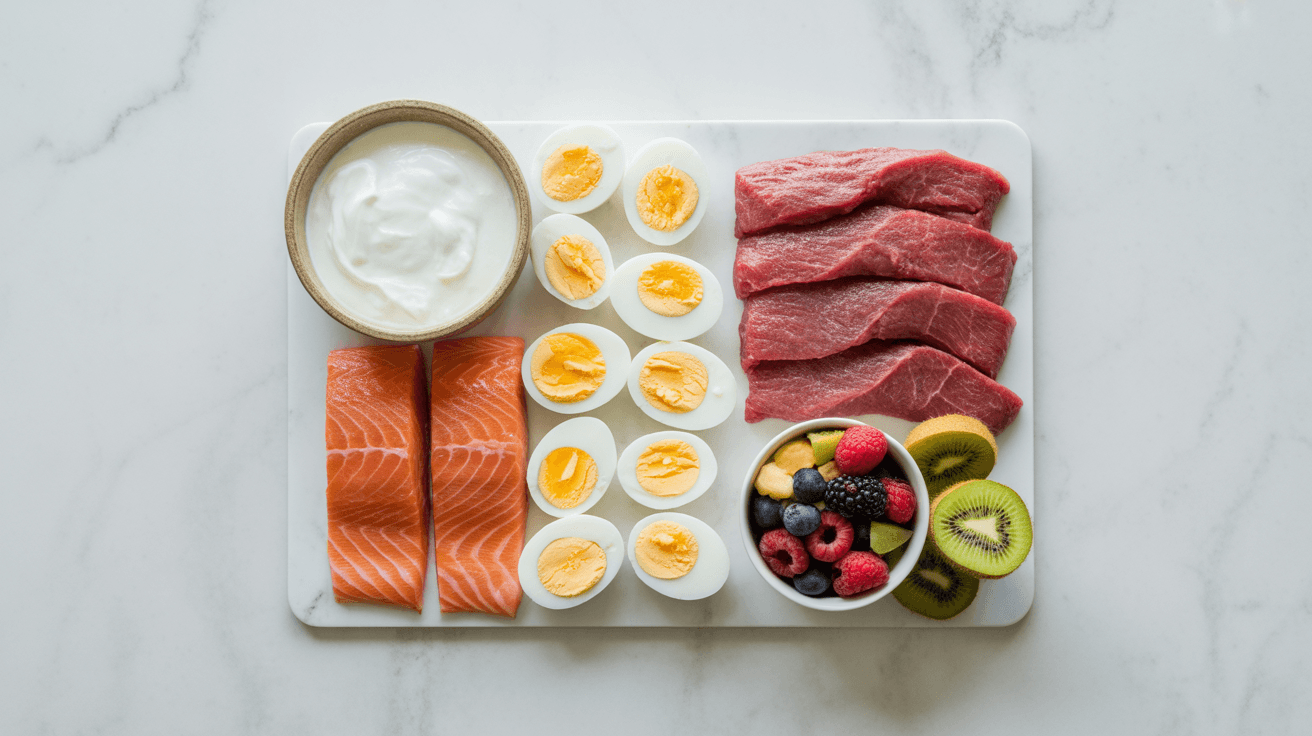
Animal-based foods that actually deserve the “healthy” label
Let’s start with what this trend gets right. Some animal foods are genuinely high-value choices when you eat them in a smart way.
- Eggs — affordable protein + choline for brain and liver support
- Greek yogurt — protein + probiotics (choose unsweetened)
- Fish (especially fatty fish) — omega-3s like EPA/DHA
- Lean meats — iron, zinc, B12, high-quality protein
- Cottage cheese — quick protein, easy to build meals around
For a science-based breakdown of omega-3 benefits and food sources, the NIH Office of Dietary Supplements omega-3 guide is a reliable reference.
Where animal-based diets can go wrong
The “problem” usually isn’t the foods — it’s the extremes.
When someone goes heavily animal-based and cuts out most plants, a few predictable issues show up:
- Fiber drops hard (and digestion often suffers)
- Saturated fat climbs if the diet is heavy on fatty red meat + butter
- Micronutrient gaps can appear without fruits/veg variety
- Cholesterol concerns for people who are sensitive to high saturated fat patterns
For heart-health context, the American Heart Association’s guidance on saturated fat explains why most guidelines recommend limiting it.
Important note
If your version of “animal-based” eliminates nearly all plants, you’re not doing a health upgrade — you’re doing a nutrition experiment. And experiments should be monitored, especially if you have cholesterol, kidney, or gut issues.
Animal-based vs balanced eating: what changes in your body
People often report feeling “better” fast on animal-based plans. That can be real — but it’s not always because the diet is magical. It’s often because they cut out ultra-processed foods and stabilized protein intake.
Here’s a practical comparison of what tends to change:
If you want to eat more animal-based, do it the smart way
You don’t have to go extreme to get the benefits. In fact, the healthiest version is usually the simplest one: keep animal proteins, but don’t erase plants.
My “low-drama” approach looks like this:
- Pick 1–2 quality proteins per meal (eggs, fish, chicken, yogurt)
- Add fiber on purpose (berries, beans, oats, vegetables)
- Rotate fats (olive oil, nuts, avocado + some animal fats)
- Watch the “raw dairy” hype unless it’s medically appropriate and safely sourced
Quick meal formula
If you want it simple: protein + fiber + color. That’s it. Eggs + fruit. Chicken + salad. Yogurt + berries. You can still eat animal-based without turning your plate into a meat-only zone.
FAQ
What is an animal-based diet?
An animal-based diet focuses mostly on animal foods like meat, fish, eggs, and dairy, sometimes including fruit and limited carbs depending on the version.
Is animal-based eating healthier than plant-based?
Not automatically. Both can be healthy if balanced. The biggest factor is overall food quality, fiber intake, and long-term sustainability.
Why do people feel better on animal-based diets?
Often because they increase protein and remove ultra-processed foods, which can improve appetite control and energy stability.
What are the risks of going heavily animal-based?
Potential downsides include low fiber intake, higher saturated fat, micronutrient gaps, and digestive issues for some people.
Can I eat animal-based without cutting out plants?
Yes — and for most people, that’s the healthiest version. Keeping fruits and vegetables supports fiber, gut health, and long-term nutrition.
Key Takeaways
- Animal-based foods like eggs, fish, and yogurt can be very nutrient-dense.
- The trend becomes risky when it cuts fiber and food variety too far.
- Many “fast results” come from reducing processed foods, not magic effects.
- High saturated fat patterns may be a concern for heart health in some people.
- A smart animal-based approach still includes plants for fiber and micronutrients.
- Use a simple meal formula: protein + fiber + color for long-term balance.
 Quick-Updates
 The Biggest ChatGPT Updates of 2025
Written by: Sarah M. Quick Updates Reporter I cover the updates people n...
 Tech
Tech Telemedicine Emergence: How Remote Healthcare Services have become More Accessible and Convenient
Written by: Michael C. Tech Writer I write about the tech people actuall...