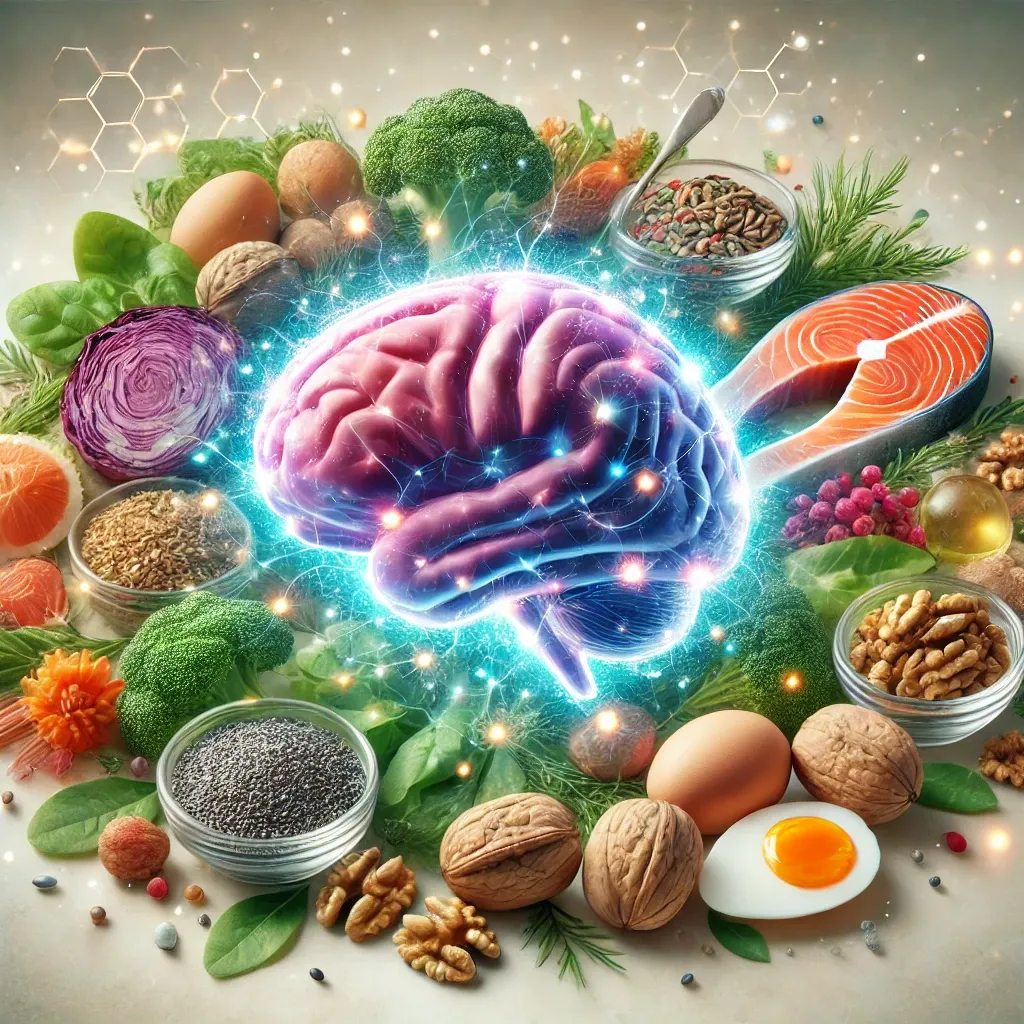
Revitalizing Brain Health and Cognitive Function with Omega-3 and Iodine-rich Diets
Dr. Lisa T.
Brain health isn’t just about avoiding dementia someday. It’s about how you feel today: your focus, your memory, your mood, and that sharpness that makes daily life feel easier.
The good news is that cognitive function isn’t “fixed.” A lot of it is influenced by what you do consistently — sleep, movement, food, stress, and how often you challenge your brain in real life.
What “cognitive function” actually includes
Cognitive function is a big umbrella term. It doesn’t mean “IQ.” It means the day-to-day brain skills you rely on constantly.
That includes:
- attention and focus (staying on task without drifting)
- memory (short-term recall and long-term learning)
- processing speed (how quickly your brain handles info)
- executive function (planning, organizing, resisting impulses)
- mood regulation (stress response and emotional balance)
Key insight
Most “brain fog” isn’t a mystery disease. It’s usually a mix of poor sleep, chronic stress, low movement, and nutrition that doesn’t support stable energy.
The biggest lifestyle drivers of brain health
If you want the highest return for your effort, don’t chase supplements first. Start with the basics that consistently show up in brain health research.
Here’s what matters most:
- sleep quality (not just hours, but consistency)
- regular movement (walks count, it doesn’t have to be extreme)
- blood sugar stability (less crashing, more steady energy)
- stress regulation (your nervous system affects cognition)
- social connection (yes, loneliness impacts the brain)

Food choices that support memory and focus
Your brain is metabolically expensive — it burns a lot of energy, and it’s sensitive to both inflammation and blood sugar swings.
So the goal isn’t “eat perfect.” The goal is: feed your brain consistently.
Brain-friendly foods that are worth prioritizing:
- fatty fish (salmon, sardines) for omega-3s
- berries for antioxidants
- nuts and seeds for healthy fats and micronutrients
- leafy greens for folate and overall nutrition density
- beans and lentils for fiber and steady energy
For evidence-based nutrition guidance related to brain health and overall wellbeing, the Harvard Nutrition Source is a strong starting point.
Here’s the practical part
If you want better focus, don’t start by adding “brain supplements.” Start by upgrading breakfast or lunch with protein + fiber. That single change often reduces afternoon brain fog dramatically.
Sleep: the most underrated cognitive enhancer
If you only fix one thing for your brain, fix your sleep.
Sleep is where the brain resets — memory processing, emotional regulation, and clearing metabolic “waste” all happen more effectively with consistent sleep.
The CDC’s sleep resources are a solid overview of why sleep matters and how much most adults need.
Simple sleep upgrades that actually work in real life:
- Keep a consistent wake time even on weekends
- Get morning light to anchor your circadian rhythm
- Stop caffeine earlier than you think you need to
- Lower screen brightness at night (and ideally stop doom-scrolling)
Movement and the brain: why walking matters
You don’t need a hardcore workout routine to support cognitive health. But you do need movement.
Regular activity supports blood flow, mood regulation, and long-term brain health in ways that are hard to replicate with diet alone.
If you’re starting small, walking is the easiest entry point:
- 10 minutes after meals improves energy
- 20–30 minutes daily supports mood and focus
- movement breaks help attention during long workdays
When to take memory changes seriously
Occasional forgetfulness happens to everyone. But if symptoms are new, worsening, or affecting daily function, it’s worth checking in with a healthcare professional.
Red flags that deserve attention:
- getting lost in familiar places
- difficulty following conversations
- major changes in mood or personality
- forgetting important events repeatedly
Important note
Don’t self-diagnose dementia from social media. Cognitive changes can come from stress, depression, thyroid issues, vitamin deficiencies, and sleep disorders — many of which are treatable.
FAQ
What is cognitive function?
Cognitive function includes mental skills like memory, attention, processing speed, planning, and emotional regulation.
What improves brain health the most?
Sleep, regular movement, balanced nutrition, stress management, and social connection are some of the biggest lifestyle drivers of brain health.
Do brain supplements work?
Some supplements may help in specific deficiencies, but most “brain boosters” are overhyped. Lifestyle basics usually make the biggest difference first.
Is walking good for brain health?
Yes. Regular walking supports blood flow, mood, and long-term cognitive health, especially when done consistently.
When should I worry about memory problems?
If memory issues are worsening, interfering with daily life, or accompanied by confusion or major behavior changes, it’s worth speaking with a healthcare professional.
Key Takeaways
- Brain health affects your daily focus, mood, and memory — not just future risk.
- Sleep is one of the strongest drivers of cognitive performance and recovery.
- Protein + fiber meals can reduce brain fog by stabilizing energy.
- Regular movement, especially walking, supports attention and mood.
- Social connection and stress regulation matter more than most people think.
- Worsening memory changes should be evaluated instead of self-diagnosed online.
 Sport
Sport AFL Fans Face Paywall for Saturday Live Coverage in 2025
Posted on 2025-02-14
Written by: James P. Sports Reporter I cover sports the way fans actuall...
 Sport
Sport Super Bowl LIX: Kansas City Chiefs vs. Philadelphia Eagles - Full Match Preview
Posted on 2025-02-01
Written by: James P. Sports Reporter I cover sports the way fans actuall...