
Unraveling the Gluten-Free Trend: Do We Really Need to Avoid It?
Dr. Lisa T.
Going gluten-free used to be a medical necessity for a specific group of people. Now it’s a lifestyle badge, a menu filter, and sometimes a “clean eating” shortcut that people follow without knowing why.
So let’s make this simple: gluten-free can be life-changing for the right person — and completely unnecessary (or even unhelpful) for everyone else.
What gluten actually is (and where it shows up)
Gluten is a group of proteins found in wheat, barley, and rye. It’s what gives bread that chewy stretch and helps baked goods hold their shape.
It can show up in obvious foods like bread and pasta, but also in “sneaky” places like:
- soups and sauces (as thickener)
- soy sauce and marinades
- processed meats
- seasoning blends
Key insight
A gluten-free diet isn’t automatically “healthier.” The benefits depend on whether gluten is actually the problem for your body.
Who actually needs to avoid gluten?
This is the most important part of the whole conversation. There are three main categories of people who may need to limit or avoid gluten:
- Celiac disease — gluten triggers an autoimmune reaction and damages the small intestine.
- Wheat allergy — an allergic immune response that can be serious.
- Non-celiac gluten sensitivity — symptoms improve when gluten is removed, even without celiac disease.
If you suspect celiac disease, it’s important not to remove gluten before testing, because it can affect results. The Celiac Disease Foundation’s overview breaks down symptoms, diagnosis, and what matters clinically.
For broader, medically reviewed basics (including symptoms and diagnosis), the Mayo Clinic’s guide to celiac disease is also a reliable reference.
Why so many people feel “better” when they cut gluten
Here’s what most people miss: when you go gluten-free, you often cut out a lot of processed food at the same time.
It’s not always gluten that was causing symptoms — it might be:
- less fast food and fried food
- fewer sugary baked goods
- less snacking on refined carbs
- more home-cooked meals by default
A practical way to test it
If you feel better gluten-free, try reintroducing gluten slowly with a simple food (like plain bread or pasta) rather than a heavy, oily meal. That helps you figure out whether gluten is the trigger or whether it was the overall diet change.
The downside of going gluten-free “just because”
Going gluten-free isn’t dangerous for everyone, but it can cause issues if it leads to a diet that’s low in fiber or overly reliant on packaged gluten-free replacements.
Some gluten-free foods are:
- higher in sugar
- lower in fiber
- more expensive
- less filling
Plus, whole grains (including wheat for people who can tolerate it) are linked with benefits like improved digestion and better heart health markers. This is why “gluten-free” should be about your body’s needs, not a trend label.
Gluten-free done right: what to eat instead
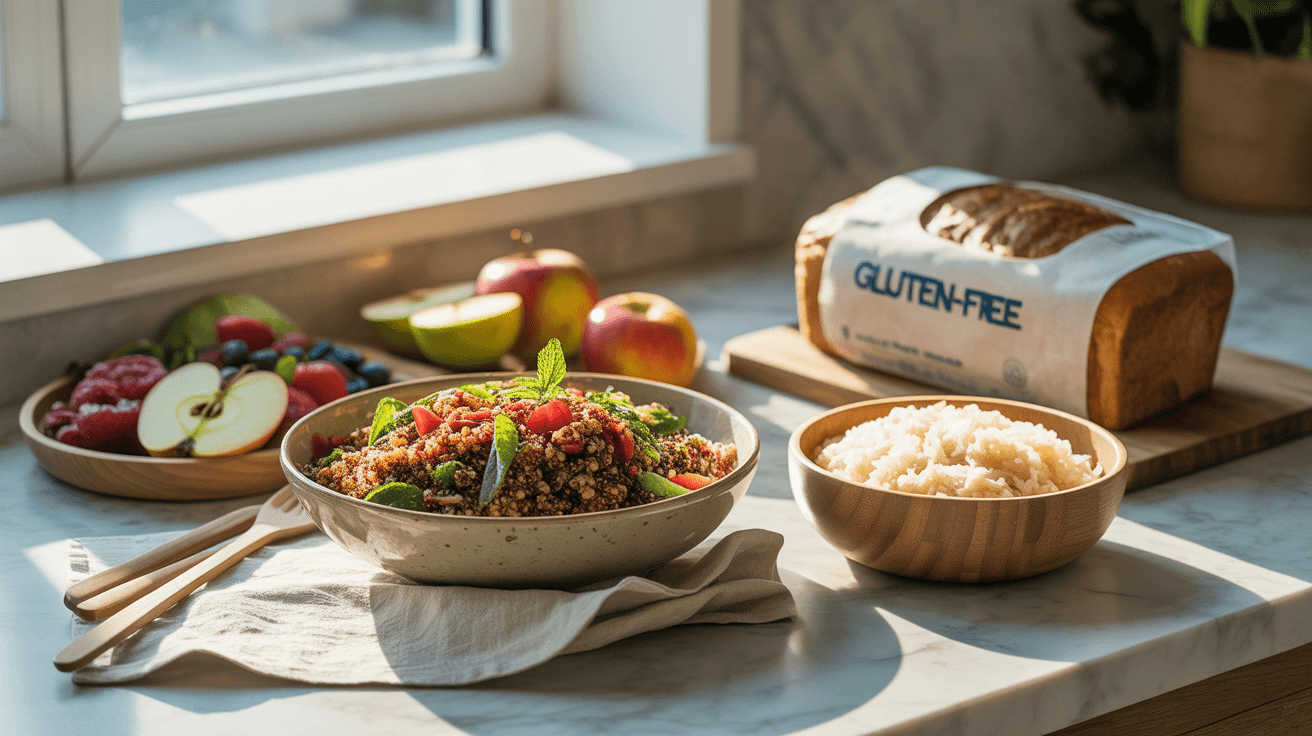
If you do need to avoid gluten, the healthiest approach is focusing on naturally gluten-free foods rather than living on specialty products.
Good gluten-free staples include:
- Rice, potatoes, and oats (choose certified gluten-free oats if needed)
- Quinoa and buckwheat
- Beans and lentils
- Fruits and vegetables
- Eggs, fish, poultry, and lean meats
FAQ
Is gluten-free healthier for everyone?
No. Gluten-free is essential for people with celiac disease or wheat-related conditions, but it doesn’t automatically improve health for everyone else.
What are signs you might have gluten intolerance?
Some people notice bloating, stomach discomfort, fatigue, headaches, or skin symptoms after eating gluten, but diagnosis should be confirmed with a healthcare professional.
Should I stop eating gluten before getting tested for celiac disease?
No. Removing gluten before testing can affect results. If you suspect celiac disease, get medical advice first.
Why do people lose weight when going gluten-free?
Often because they cut out processed foods and refined carbs at the same time — not necessarily because gluten itself caused weight gain.
What are the best gluten-free foods?
Naturally gluten-free foods like rice, quinoa, potatoes, legumes, fruits, vegetables, and lean proteins are usually the healthiest foundation.
Key Takeaways
- Gluten-free is medically necessary for celiac disease and some wheat-related conditions.
- For many people, feeling better gluten-free comes from cutting processed foods overall.
- Don’t stop eating gluten before celiac testing unless a doctor advises it.
- Gluten-free packaged foods can be low in fiber and high in sugar.
- The healthiest gluten-free diet focuses on naturally gluten-free staples.
- If gluten seems to bother you, reintroduce it strategically to identify the real trigger.
Uber Files Lawsuit Against DoorDash
Ride-share and food delivery giant **Uber** has filed a lawsuit against **DoorDash**, accusing its c...
 Quick-Updates
 Apple’s Launch Event: What to Expect
Written by: Sarah M. Quick Updates Reporter I cover the updates people n...