
The Rise of High-Protein Products: A New Trend in the Food Market
Dr. Lisa T.
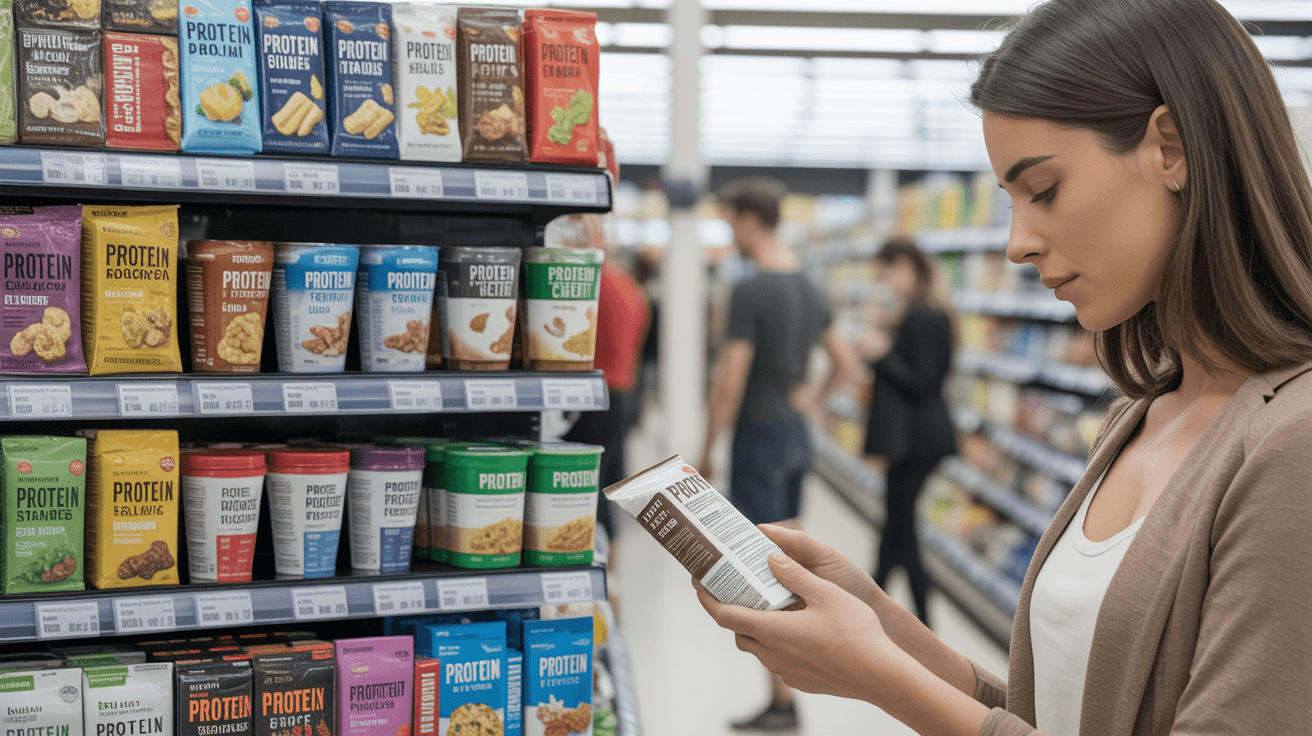
High-protein products are everywhere right now. Protein coffee. Protein cereal. Protein chips. Protein “dessert” that somehow claims to be healthy because the label says 20 grams.
And look — I’m not anti-protein. Protein is essential. But a lot of these products are doing something sneaky: they’re using protein as a health halo to distract you from what’s actually in the food.
Why high-protein marketing works so well
Protein has become the “safe” nutrition buzzword. Unlike carbs and fat (which get demonized every few years), protein is the one macronutrient that almost everyone agrees is beneficial.
So brands slap HIGH PROTEIN on the front of packaging, and people assume it means:
- better for weight loss
- better for muscle
- better for energy
- automatically “cleaner” than normal snacks
Sometimes that’s true. A lot of times it’s not.
Key insight
A “high-protein” label tells you one number. It doesn’t tell you whether the product is actually filling, balanced, or good for daily health.
How much protein do people actually need?
This depends on your body size, age, and activity level — so there’s no one perfect number. But most people don’t need extreme amounts to be healthy.
For a simple, reputable overview of daily protein needs and why it matters, the Harvard T.H. Chan School of Public Health protein guide explains the basics clearly without the influencer drama.
What I usually recommend as a practical target for meals (not medical advice, just a realistic baseline):
- 20–35g protein per meal for many adults
- 10–20g per snack if you need something to hold you between meals
The easiest way to hit that isn’t fancy products — it’s normal food.
When high-protein products actually help
There are times when these foods are genuinely practical. The key is using them as tools, not as the foundation of your diet.
High-protein products can be helpful if you:
- struggle to get enough protein through normal meals
- need fast options because your schedule is chaotic
- train regularly and need convenient recovery nutrition
- are trying to reduce snacking and want something more filling
Quick rule
If a protein product helps you replace a less filling snack (like cookies or chips) with something more satisfying, it can be a win. If it replaces real meals, it often becomes a problem.
Where people get tricked: the “protein halo” problem
This is the part I wish more people knew. Many “high-protein” products are still ultra-processed snacks with:
- added sugars or syrups
- sugar alcohols (can cause bloating for some people)
- very high sodium
- cheap fats + fillers
- tiny portion sizes that don’t truly satisfy
So yes, you might get 20g of protein… but also a snack that leaves you hungry again in an hour.
What to look for on the label (the 20-second scan)
If you want a simple label-check that works in real life, focus on these points:
Better high-protein options that aren’t “products”
If your goal is to eat more protein without turning your diet into supplement culture, these are simple staples that work:
- eggs (boiled eggs are the easiest snack prep ever)
- Greek yogurt with berries
- cottage cheese with fruit or tomatoes
- tuna or salmon packets
- chicken leftovers in a wrap or salad
FAQ
Are high-protein products healthy?
Some are, but many are still ultra-processed snacks. Protein alone doesn’t automatically make a product a good choice.
Do high-protein snacks help with weight loss?
They can if they help you stay full and reduce overeating. But they won’t help if they’re high in sugar, calories, or don’t actually satisfy you.
How much protein should I eat per day?
It depends on your body and activity level. A practical approach is spreading protein across meals rather than relying on one big shake or bar.
What should I check on a protein bar label?
Look at protein per serving, sugar, fiber, and the ingredient list. A high number doesn’t matter if the rest of the product is junk.
What are the best natural high-protein foods?
Eggs, Greek yogurt, cottage cheese, fish, lean meats, and legumes are some of the easiest high-protein staples.
Key Takeaways
- High-protein products are popular, but the label can be misleading.
- Protein helps with fullness, muscle maintenance, and stable energy.
- Many “protein snacks” are still high in sugar, sodium, and additives.
- A quick label scan (protein, sugar, fiber, ingredients) saves you time and money.
- Most people can hit protein goals with normal foods, not specialty products.
- Use high-protein products as tools for convenience, not meal replacements.
 Health
 Revitalizing Brain Health and Cognitive Function with Omega-3 and Iodine-rich Diets
Written by: Dr. Lisa T. Preventive Health & Nutrition Writer I write about...
 Health
 The Rising Popularity of Animal-Based Health Foods
Written by: Dr. Lisa T. Preventive Health & Nutrition Writer I write abo...