
Telemedicine Emergence: How Remote Healthcare Services have become More Accessible and Convenient
Michael C.
Telemedicine went from “nice extra option” to “how a lot of people handle healthcare” almost overnight. And once patients realized they could talk to a doctor without spending half a day in a waiting room, there was no going fully back.
The real story isn’t that telemedicine exists — it’s that it’s becoming normal. For better and for worse, it’s changing what people expect from healthcare now.
Telemedicine - more than video calls
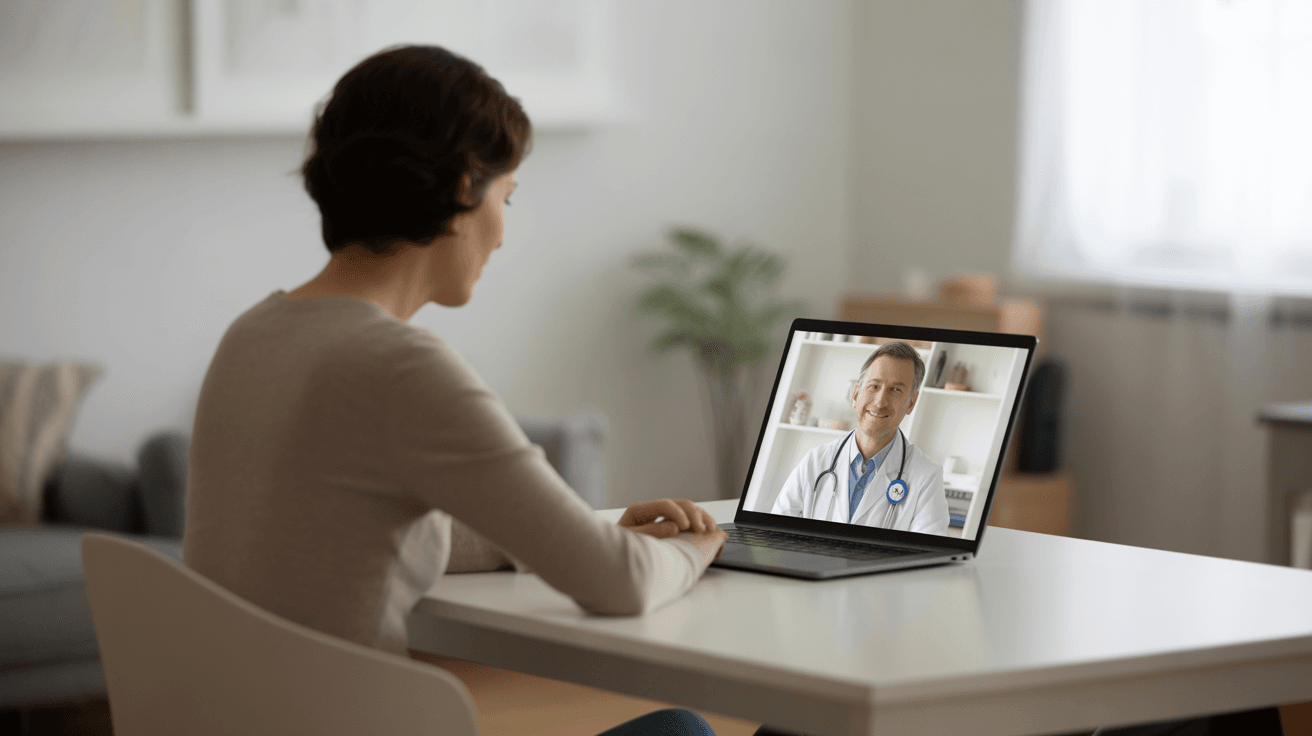
Most people hear telemedicine and think: Zoom appointment with a doctor. That’s part of it, but the modern version is wider.
Telemedicine can include:
- video visits with doctors or specialists
- phone appointments (still huge for many patients)
- secure messaging and follow-ups through patient portals
- remote monitoring via wearables or home devices
- digital prescriptions and lab result review
Key insight
Telemedicine works best when it removes unnecessary friction — not when it tries to replace every in-person exam that still needs hands-on care.
Why telemedicine took off so fast
A few things lined up at the same time: more people had smartphones, healthcare systems were overloaded, and patients got tired of losing hours just to ask a basic question.
Telemedicine “won” because it solved real pain points:
- time savings (less travel and waiting rooms)
- better access for rural areas or people with limited mobility
- faster follow-ups for medication or ongoing issues
- lower barrier to entry for people who avoid clinics
Where telemedicine shines (and where it doesn’t)
Telemedicine is great for certain situations. For others, it’s not just inconvenient — it can be unsafe if it delays the right care.
For a clear official overview of what telehealth covers and why it’s expanding, the U.S. HHS Telehealth site is one of the best “no fluff” resources.
Practical tip
Want better telemedicine visits? Write down your symptoms and timeline before the call. Two minutes of prep makes the appointment faster, clearer, and way more useful.
The biggest challenges telemedicine still has
The tech works. The questions are everything around it: privacy, quality, and access.
Here are the issues that still need solving:
- privacy and security (health data is extremely sensitive)
- digital access gaps (not everyone has stable internet)
- quality consistency (a good clinician matters more than the platform)
- limitations of remote exams (some things need physical evaluation)
For patient privacy basics in healthcare, the HHS HIPAA information page is a useful place to understand protections (and limitations).
Quick caution
Telemedicine is great for convenience, but if symptoms are severe, sudden, or getting worse fast — don’t “wait it out” behind a screen. In-person care saves lives in those situations.
What telemedicine will look like next
Telemedicine is likely heading toward a “hybrid” future — a mix of in-person care and remote care that makes healthcare less exhausting for patients.
The next wave is going to be about:
- remote monitoring (blood pressure cuffs, glucose tracking, wearables)
- better AI triage to route patients faster
- more specialized care through virtual clinics
In other words: telemedicine won’t replace hospitals. It’ll replace unnecessary waiting rooms.
FAQ
What is telemedicine?
Telemedicine is healthcare delivered remotely through video calls, phone calls, messaging, and digital monitoring tools.
Is telemedicine as good as in-person care?
It depends on the situation. It can be excellent for follow-ups and minor issues, but some conditions require physical exams and tests.
What conditions are best for telemedicine?
Telemedicine works well for medication refills, mental health sessions, minor infections, and routine follow-ups.
Is telemedicine private?
Most reputable platforms use secure systems, but patients should still consider privacy, read policies, and use trusted providers.
Will telemedicine keep growing?
Yes. Telemedicine is likely to expand as healthcare systems build hybrid care models that combine remote and in-person services.
Key Takeaways
- Telemedicine has become a normal part of modern healthcare.
- It works best for follow-ups, minor issues, and improving access.
- Some conditions still require in-person exams and tests.
- The biggest challenges are privacy, quality, and digital access.
- Telemedicine is moving toward a hybrid future, not a full replacement model.
- Prep your symptoms in advance to get more value from remote appointments.
 Quick-Updates
 The Biggest ChatGPT Updates of 2025
Written by: Sarah M. Quick Updates Reporter I cover the updates people n...
 Tech
Tech The Evolution of Wearable Health Devices: Navigating Real-Time Health Monitoring and Personalized Insights
Written by: Michael C. Tech Writer I write about the tech people actuall...