
The Slow Decline of All-Star Games: Are They Losing Their Magic?
James P.
All-Star Games used to feel like an event. Not just a schedule item, but something you’d actually plan your night around.
Now? A lot of them feel like background noise — the kind of thing you check on your phone, laugh at a clip or two, and move on. So the big question isn’t “are All-Star Games bad?” It’s: why are they starting to feel meaningless?
When All-Star meant something
There was a time when an All-Star selection felt like a real stamp of greatness. Fans argued about it, players cared about it, and the game itself had a bit of pride baked in.
Even if the defense wasn’t playoff-level, there was still competition, intensity, and moments people remembered for years.
Key insight
All-Star Games didn’t lose their magic overnight. They got replaced by highlight culture — the league still gets viral moments, but the game itself stopped being the main product.
Why the modern All-Star product feels weaker
Most leagues are dealing with the same problem: the incentives aren’t what they used to be.
Players don’t want injuries. Teams don’t want injuries. Fans want highlights, but they also complain when nobody tries. And the format changes every few years because nobody can decide what “fun” should look like anymore.
Here are the biggest reasons All-Star Games are struggling:
- Injury risk — one wrong step can derail a season
- Player workload — modern schedules are brutal, and rest matters more
- Highlight-first culture — fans care more about clips than full games
- Too many “events” — everything is branded, sponsored, and stretched out
- Motivation mismatch — stars don’t gain much by going full speed
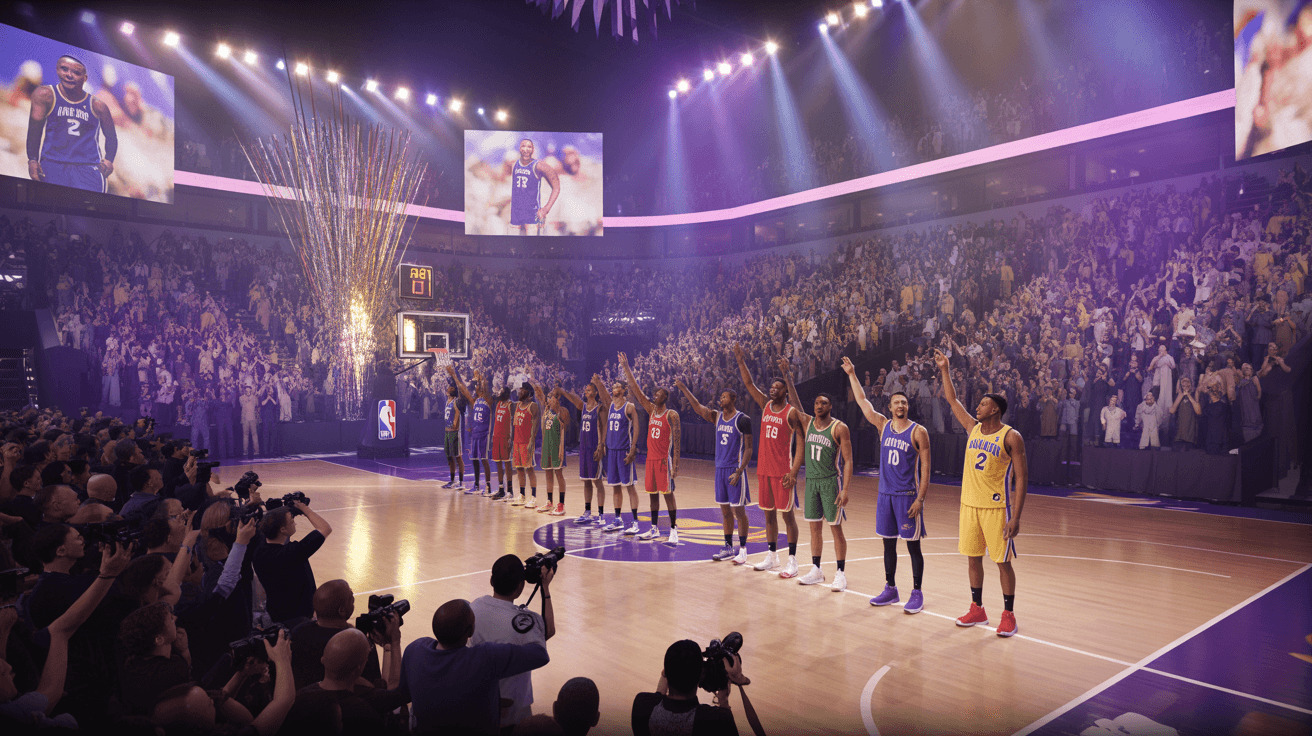
Social media changed the way fans experience All-Star weekend
Here’s the underrated reason All-Star Games feel less important: you don’t need to watch them.
Fans get the best parts in real time on social media. The dunk. The trick shot. The funny moment. The celebrity reaction. That’s the new viewing experience.
The result is that the All-Star Game itself becomes a “clip generator” instead of a game that holds attention from start to finish.
If you want a bigger picture look at how sports audiences are changing across media and platforms, Pew Research has ongoing work worth checking out: Pew Research Center’s internet & technology research.
Let’s be honest
If the best way to enjoy an All-Star Game is watching 12 clips afterward, the game itself has already lost the fight for your attention.
Different leagues, same problem
The exact vibe changes from sport to sport, but the pattern is similar. Fans want entertainment, leagues want viral moments, and the competitive “edge” is hard to manufacture when nothing serious is on the line.
Can All-Star Games get their magic back?
They can… but only if leagues stop pretending one format tweak will fix everything.
Here are the options that actually have a shot:
- Higher stakes — real incentives players care about (money, charity, bonuses)
- Shorter, sharper formats — less filler, more action
- Skill competitions that feel authentic — less gimmick, more bragging rights
- Stop overproducing it — fans can smell forced “fun” instantly
In my opinion, the best future version isn’t forcing intensity — it’s leaning into what fans actually want: personality, skill, and real moments that don’t feel manufactured.
FAQ
Why are All-Star Games losing popularity?
Many fans feel All-Star Games lack intensity, with players avoiding injury risk and focusing more on entertainment than competition.
Do players still care about All-Star Games?
Players often care about being selected, but the games themselves can feel less meaningful because there’s little competitive incentive to go all-out.
Which All-Star Games have declined the most?
The NBA and NFL are often criticized most for lack of effort or low-contact formats, but most leagues face similar challenges.
Can leagues fix All-Star Games?
They can improve them, but it takes real incentives and formats that feel natural instead of overly staged.
Are social media clips replacing live viewing?
Yes. Many fans now consume All-Star moments through highlights and viral clips instead of watching full games.
Key Takeaways
- All-Star Games feel less meaningful because intensity and stakes are lower.
- Injury risk and heavy schedules make players less willing to compete hard.
- Social media turned All-Star events into highlight reels instead of full broadcasts.
- Format tweaks help, but incentives matter more than gimmicks.
- The best future version focuses on personality, skill, and authentic moments.
- Selection still matters, but the games themselves need a reason to feel important again.
 Tech
Tech Telemedicine Emergence: How Remote Healthcare Services have become More Accessible and Convenient
Written by: Michael C. Tech Writer I write about the tech people actuall...
 Sport
Sport UFC 312: Dricus Du Plessis Dominates Sean Strickland in Epic Rematch
Posted on 2025-02-18
Written by: James P. Sports Reporter II cover sports the way fans actual...