
The Evolution of Wearable Health Devices: Navigating Real-Time Health Monitoring and Personalized Insights
Michael C.
Wearable health devices went from “cool gadget” to “daily habit” fast. One minute it was just step counts. Now people are checking sleep scores, stress levels, heart rate trends, and oxygen readings like it’s their morning horoscope.
The good news: wearables can genuinely help you build better routines. The bad news: they can also make people anxious, obsessive, and weirdly dependent on a number that isn’t always perfectly accurate.
What counts as a wearable health device?
Wearables are basically any devices you can wear (or carry constantly) that track health or fitness data. Most people think of smartwatches, but the category is bigger than that.
- Smartwatches (Apple Watch, Galaxy Watch, Fitbit)
- Fitness bands (lighter, simpler trackers)
- Rings (sleep + recovery tracking, less screen time)
- Chest straps (more accurate heart rate for athletes)
- Smart patches and medical-grade monitors (more niche)
Key insight
The best wearable isn’t the one with the most features. It’s the one you’ll actually wear consistently — because consistency is what makes the data useful.
What wearables track (and what’s actually useful)
Most devices track a long list of metrics, but not all of them matter equally. In real life, wearables are most helpful when they support behavior change, not when they flood you with stats.
The most useful tracking categories tend to be:
- Steps and movement (simple, motivating, easy to understand)
- Heart rate (resting rate trends can reveal stress, fatigue, illness)
- Sleep tracking (not perfect, but helpful for patterns)
- Workout intensity (zones, recovery time, load)
- Notifications and reminders (often the real “behavior change” engine)
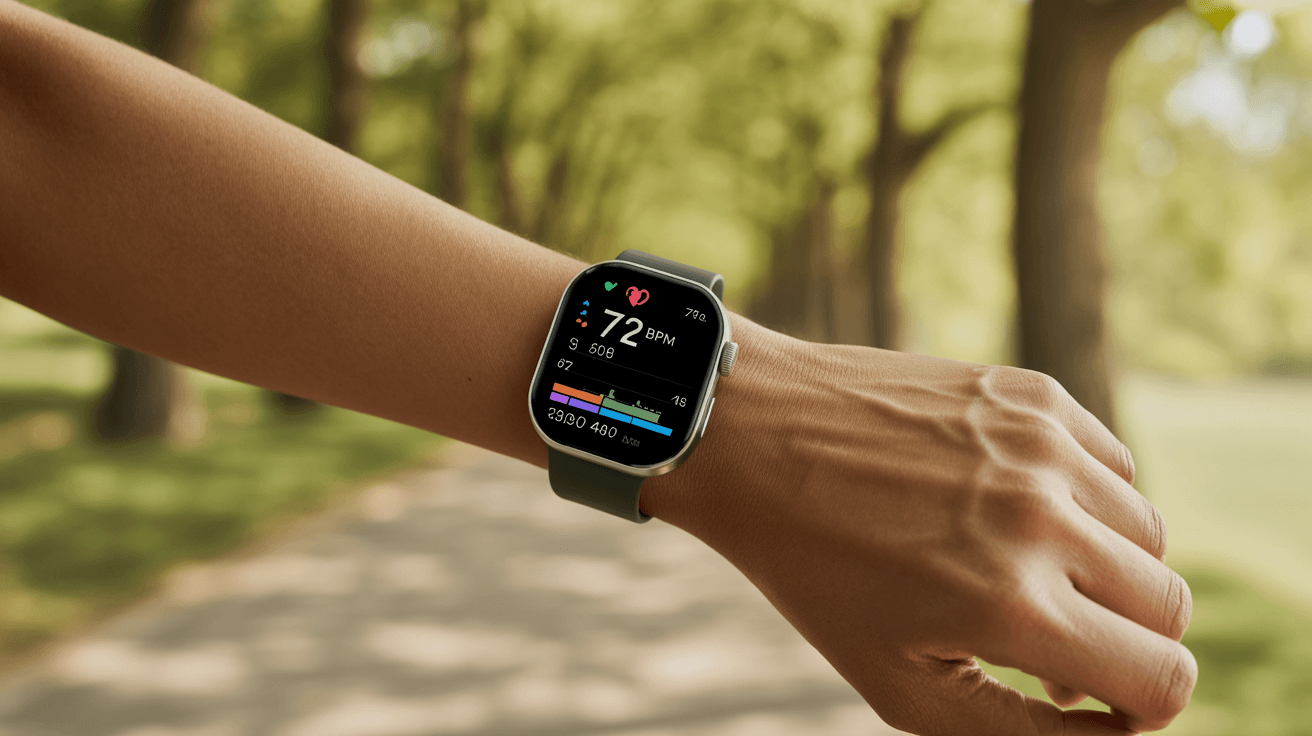
Where wearables are genuinely improving health
When wearables help, it usually looks boring and consistent: more walking, better sleep routines, reminders to move, and early detection of “something feels off.”
Real-world benefits can include:
- early awareness of unusual heart rate patterns
- more activity through daily movement goals
- better sleep habits through consistent tracking
- workout pacing for training and recovery
It’s important to keep expectations realistic though. Consumer wearables are helpful, but they aren’t medical devices in every context. The FDA’s digital health overview is a solid reference for understanding how health tech is regulated and what to treat as “informational” vs “diagnostic.”
Practical tip: track trends, not moments
One weird heart rate reading doesn’t mean something is wrong. But a consistent trend over days or weeks? That’s when the data becomes useful — and worth discussing with a doctor.
The biggest problem: accuracy and “false alarms”
Wearables have improved a lot, but they’re still not perfect. Wrist-based heart rate can get thrown off by motion, sweat, tattoos, cold weather, or loose bands. Sleep tracking can confuse “lying still” with “sleeping.”
That’s why the healthiest mindset is to treat wearable data as:
- a guide for your habits
- a pattern tracker over time
- not a diagnosis
Reality check
If your wearable is making you anxious, you’re using it the wrong way. Health tools should reduce stress, not create a new one.
Which wearable is best for you?
This depends less on brand hype and more on what you actually want the device to do.
Here’s a practical match-up guide:
How to use wearables without getting obsessive
If you want the benefits without the stress, here’s what works in real life:
- Set one main goal (steps, sleep, or training — not all at once)
- Check your dashboard once daily, not every 20 minutes
- Turn off unnecessary alerts that create anxiety
- Use weekly trends as your real metric
In my experience, the people who benefit most from wearables treat them like a compass — not a judge.
FAQ
Are wearable health devices accurate?
They can be fairly accurate for general tracking, but results vary by device and condition. They’re best used for trends over time rather than one-off readings.
Can wearables detect serious health problems?
Some devices can flag irregular patterns, but they don’t replace medical testing. If you’re concerned, it’s best to speak with a healthcare professional.
What is the most useful feature of wearables?
For most people, it’s the simple habit support: movement reminders, step tracking, and insight into sleep patterns.
Do I need a smartwatch to track fitness?
No. Fitness bands and rings can track health metrics too. The best choice depends on your goals and what you’ll consistently wear.
How do I stop obsessing over my health stats?
Reduce notifications, focus on one goal at a time, and treat data as guidance—not a daily score of your health.
Key Takeaways
- Wearables have shifted from simple step counters to full health dashboards.
- They’re most useful for habit-building and tracking trends over time.
- Wrist-based tracking isn’t perfect, so one-off “bad” readings shouldn’t panic you.
- The best wearable is the one you’ll wear consistently and actually use.
- Checking stats too often can create anxiety and unhealthy obsession.
- Use wearables as a compass for routines, not a diagnosis tool.
 Health
 Revitalizing Brain Health and Cognitive Function with Omega-3 and Iodine-rich Diets
Written by: Dr. Lisa T. Preventive Health & Nutrition Writer I write about...
 Health
 The Rise of High-Protein Products: A New Trend in the Food Market
Written by: Dr. Lisa T. Preventive Health & Nutrition Writer I write abo...